
Shawna O’Hearn: Towards a shared language of menopause equity
interviewed by Aija Lulle, 09.02.26
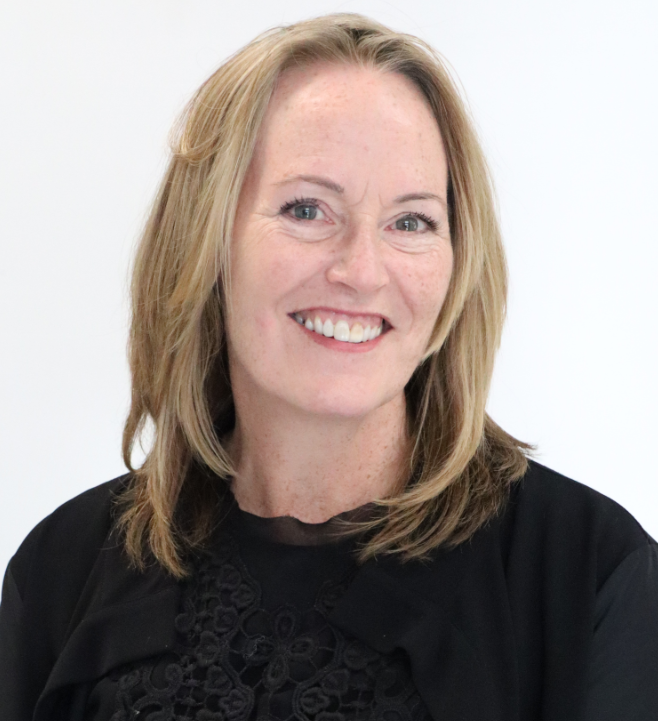
Dr. Shawna O’Hearn is Co-Founder and Director of the Menopause Society of Nova Scotia and Chief Operating Officer in Dalhousie University’s Faculty of Medicine. An Occupational Therapist with a PhD on perimenopause experiences among Canadian health professionals, she researches menopause’s everyday realities—identity, family, community, and workplaces—while championing the inclusion of all voices. Shawna leads community conversations, brings menopause awareness to Dalhousie workplaces through support groups and manager training, hosts the university’s menopause conference, and co-leads Atlantic Canada’s first highly successful menopause conference.
Why is menopause emerging as an important research area now?
Menopause has long been understood primarily through a medical lens, which has left major gaps in how we talk about it socially, culturally, and politically. As access to scientific evidence improves, we are beginning to see a broader societal conversation:
What does menopause mean for women’s everyday lives, their identities, and their place in families, communities, and workplaces?
This shift signals a wider recognition that menopause is not just a medical event but a relevant social transition that deserves interdisciplinary research and public dialogue.
How did you become interested in menopause research?
My interest grew through both personal encounters and professional frustration. Although I trained as a health professional, menopause was completely absent from my education. When friends and family members asked me for evidence-based resources, I was shocked to discover how little existed—especially outside narrowly medicalized perspectives.
This gap, combined with the experiences of women who felt they needed to hide symptoms in high‑pressure or male‑dominated workplaces, led me to pursue menopause as a research topic. It also opened conversations about how society views women’s bodies, competence, and ageing—issues that remain underexplored in many disciplines.
What does geography have to do with menopause?
A great deal. Geography examines the everyday spaces where people live, work, and interact—spaces that profoundly shape health and well‑being. The workplace, for example, is not a neutral environment; it influences how people manage symptoms, disclose health needs, or hide vulnerabilities.
Geographical thinking allows us to move beyond individualised or clinical accounts and consider how environments, power structures, and social norms shape menopausal experiences. Many have told me that combining health sciences with geography offers a uniquely powerful way to uncover hidden issues and open up new forms of dialogue.
What have you found most striking in the research literature so far?
The most striking element has been the sheer absence of geographical research. In geography, menopause was nearly invisible when I began—only a few short commentaries existed. More broadly, social sciences tended to rely heavily on medicalized framings of women’s bodies, leaving little room for cultural or theoretical reflection.
At the same time, feminist geographies offer tremendous, untapped potential. Intersectionality has pushed the field forward, but we still need more holistic, inclusive, and power‑aware theories that better capture diverse menopausal experiences, including those of people who do not identify as women but go through menopause.
What role does community play in addressing menopause?
Community has become one of the most essential and transformative elements of this work. Through workshops, support groups, and public conversations, we consistently hear that many people feel isolated, confused, or even ashamed of their symptoms. When they meet others with similar experiences, the overwhelming response is relief:
“I’m not alone.”
We also bring health professionals together, helping them understand what they know, what they don’t, and what education they need. This work is foundational for improving care, reducing stigma, and ultimately creating a shared language around menopause.
What about workplaces—why should employers engage with menopause?
Workplaces often think of menopause as a health issue, but it is also an equity issue. Teams cannot be fully inclusive if they overlook the needs of employees experiencing midlife transitions. There is no one-size-fits-all solution, but starting open conversations makes a profound difference.
When employers realise that menopause shapes productivity, comfort, attendance, career progression, and overall well-being, they begin to ask new questions:
How can we design supportive environments? How do we create policies that recognise real experiences rather than relying on stereotypes or silence?
This shift is beginning across Canada and internationally, but much more work is needed.
What is your bold vision for the coming five years?
In Nova Scotia, we hope to see menopause included in school curricula, university health‑professional training, and public education programs. A Menopause Centre of Excellence, as I imagine, should not focus solely on clinical care; it must also support research, education, and community outreach.
Clinically, the goal is to eliminate long waiting lists and ensure timely, accessible care. In research, we aim to build a holistic program that includes medical science and community-based, social, cultural, and determinants-of-health perspectives.
Importantly, our vision is an inclusive one—ensuring diverse communities and diverse identities are truly embraced and not hold back by white cis gender women. My vison is that in five years, Nova Scotia could become a national leader in comprehensive, equity‑oriented menopause research and policy.
Resources
- Shawna O’Hearn, profile in here, Menopausing website
- Shawna O’Hearn in LinkedIn
- O’Hearn’s PhD thesis – Place-Based Experiences in the Work Environment During the Menopausal Transition: A Case Study of Canadian Physiotherapists (PDF) (2022)
- Menopause Society of Nova Scotia – webpage
- Menopause Society of Nova Scotia – in Facebook
- Dalhousie University’s Faculty of Medicine
- Dal News – Let’s talk about menopause in the workplace – interview with Shawna O’Hearn (8.3.2023)
- Interviewer Aija Lulle