
When a Lunch Turns into a Research Collaboration
by Katja Laakkonen, 24.6.2026
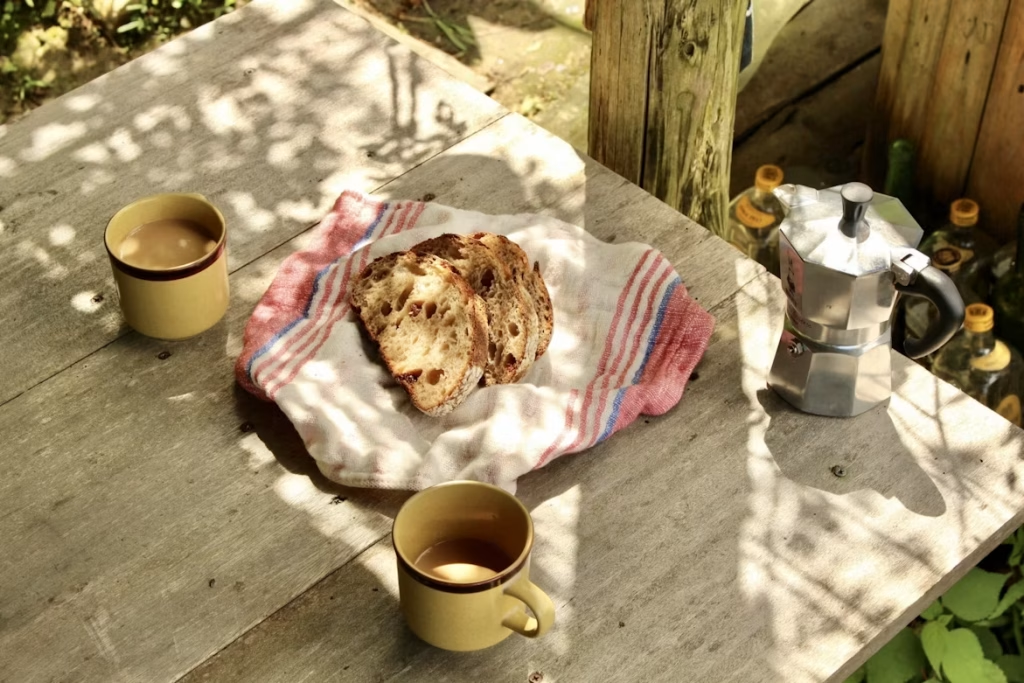
One ordinary lunch break in the staff cafeteria in spring 2026 turned out to be anything but routine. I was sitting alone when I noticed a familiar face—Reetta—already in conversation with someone I hadn’t met before and decided to join them. Within minutes, we were deep in discussion. The third person at the table was Erja, and as we exchanged thoughts about our research and interests, it quickly became clear that we were each working from different disciplinary perspectives—Reetta in cultural studies, Erja in education, and I in human geography—yet shared a surprising amount of common ground: menopause.
As we left lunch, the idea emerged almost casually: perhaps we should write something together.
Erja later organised a follow-up meeting and invited Iiris, a social scientist, to join us. Already in that first meeting, we decided to collaborate on a joint article. Our topic was initially broad. We knew it would relate to menopause, but the focus soon sharpened. We agreed to conduct a media analysis examining how menopause is addressed in contemporary digital environments, using Facebook’s newsfeed as our platform. Our aim was to explore what kinds of sponsored content are directed at women of menopausal age.
I began collecting data and, thanks to algorithmically curated content, was able to compile a dataset relatively quickly. Soon I had gathered a sample of sponsored content aimed at menopausal women (n = 24). We are now developing our theoretical framework, which is taking shape around the intertwined concepts of self-care and governmentality.
If there is one takeaway from this experience, it is this:
take a seat at a new table every now and then. You never know when a brief encounter might grow into a genuinely inspiring collaboration.
Let me briefly introduce the team behind this work—all of us work at the University of Eastern Finland.
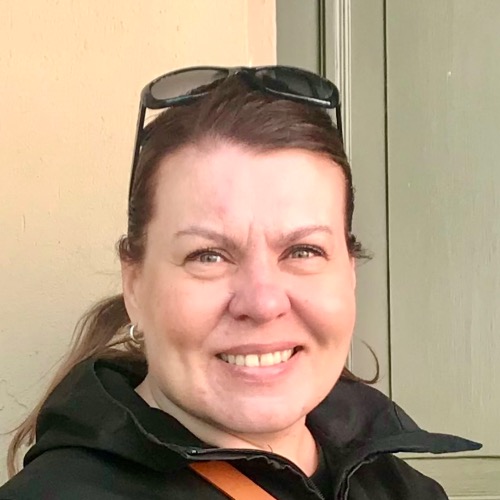
I am a Postdoctoral Researcher in the Menopausing project, with a background in nursing. My research focuses on the changing labour markets of nurses, with a particular emphasis on the transnational mobility of Finnish nurses commuting to Norway. Building on my earlier work, I now deepen this line of inquiry by examining mobility from the perspective of middle-aged commuting nurses, exploring how mobility practices evolve across the life course. I defended my doctorate in social and public policy, but my current research is situated in human geography and mobility studies.
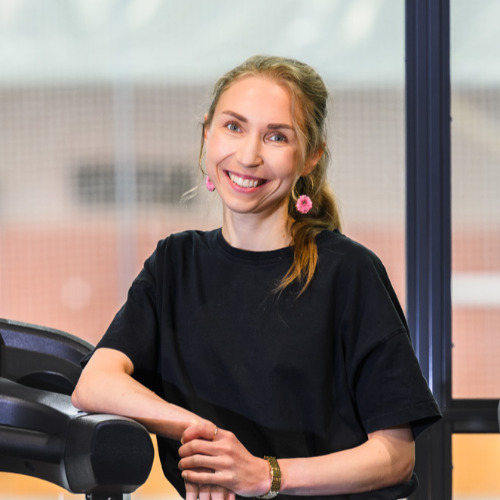
Reetta is a Doctoral Researcher with a background in the media field and cultural studies. Her research focuses on wellness culture on the Instagram platform. In her dissertation, she investigates what kinds of positive and negative outcomes wellness content can have on their female audiences. Reetta identifies herself as a critical feminist media researcher with a particular interest in well-being, normality, good life, and health, especially in the context of social media. She is interested in exploring how media content—particularly in digital environments—shapes our thoughts and opinions about well-being and womanhood, as well as our relationships with ourselves and others. Her curiosity and interest in how wellness content is aimed at different age groups, and how well-being is marketed and represented on (social) media, has led her to further explore also content related to menopause and ”aging well”.
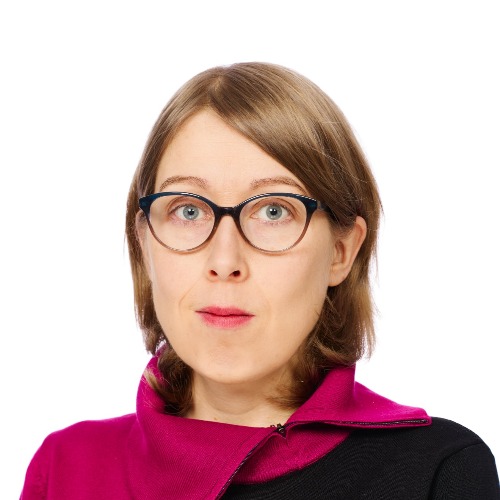
Iiris is a Postdoctoral Researcher in social sciences working on the DataLit project. She has examined project-based care as a model of elderly care in her doctoral research. Together with colleagues, she has also studied media representations of public “coming out” and reality television as a form of self-care. More broadly, she is interested in different ways of conceptualising and studying care, particularly in relation to gender and across different societal settings. She became interested in the opportunity to examine menopause through the lens of self-care, further inspired by the growing societal discussion around menopause as well as her own position within the target group.
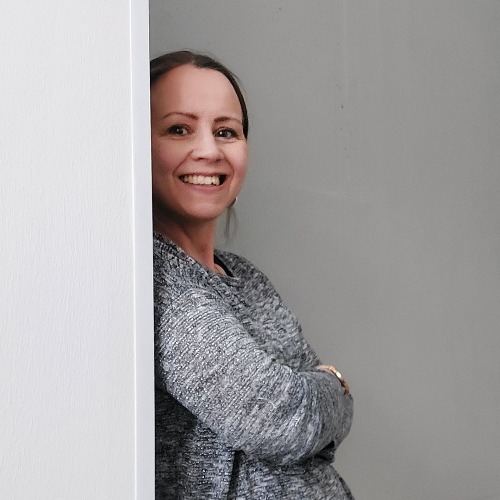
Erja works as a University Lecturer in Education and Adult Education. Her research can be described as cultural adult education. Earlier in her career, she focused on life-course perspectives, with her doctoral research addressing the definition of adulthood. She has also studied sufficiency in the context of the civic movement Kohtuusliike. She has a particular interest in analysing media texts, especially those aimed at women, including both magazines and digital media. Seeking to deepen understanding of the “good life” and contemporary adult life, she now studies menopause as part of her research.
**
Read more about this wonderful groups’ presentation “Who Cares About the Wellbeing of Middle-Aged Women?” for the Social and Public Policy Winter School of the University of Eastern Finland, held on 18–19 March 2026. In their presentation they examined the meaning structures of sponsored menopause-related content circulating in social media.
FULL TEXT – by clicking HERE