
Hannaneh Moradi: A Summer of Research and Learning
This summer, I had the opportunity to spend some weeks in London for two experiences that complemented each other in a meaningful way: a research visit at UCL and participation in the AAIC 2026 conference.
Looking back, what stays with me is not only what I learned from the research and conference sessions, but also the people I met, the conversations I had, and the many small moments in between that made the experience special.
A research visit at UCL
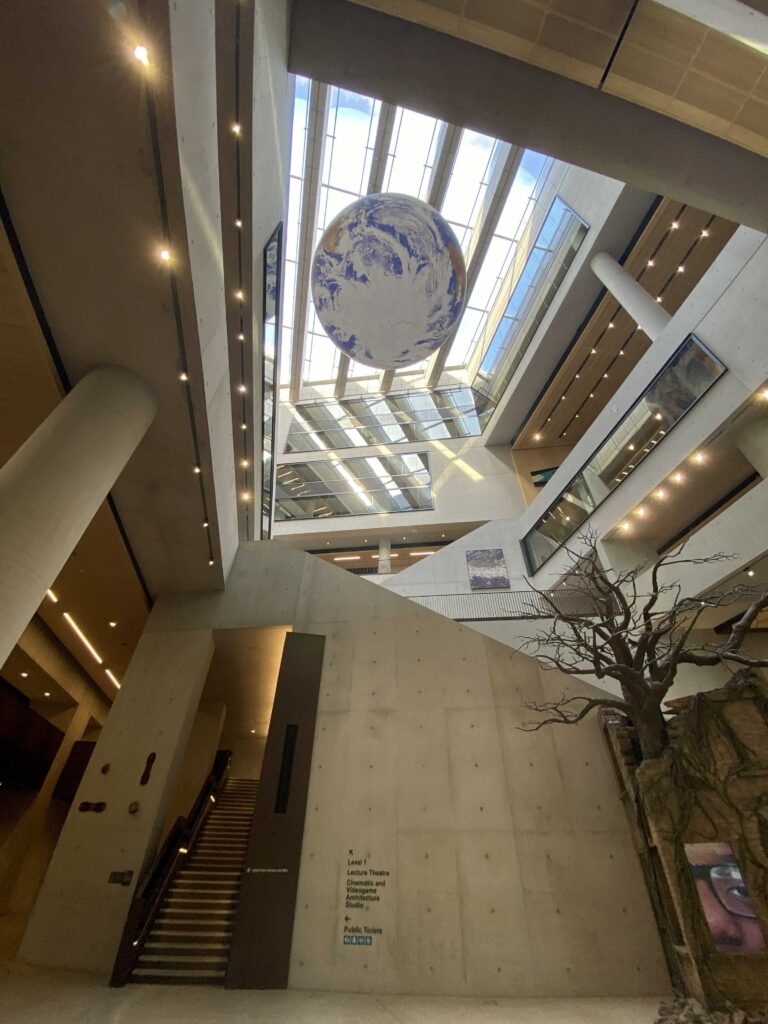
Spending part of my summer at University College London as a visiting researcher at the UCL Global Business School for Health was wonderful. The very beautiful campus, warm welcome from the staff, and the valuable time to work with my supervisor there.
Being in a new academic environment always brings a different kind of energy. It gives you the chance to step away from your usual routines, look at your research from a slightly different perspective, and learn from people who approach similar questions from different backgrounds.
Beyond the research itself, I really appreciated the chance to get to know the school, its research activities, and its academic community. Sometimes, being somewhere new is valuable simply because it gives you the space to think differently.
And, of course, there was London itself. Spending some weeks in such a lively and international city added another dimension to the experience, from walking between meetings and discovering new places to having conversations over coffee and simply taking in the atmosphere of the city.
From research visit to AAIC 2026
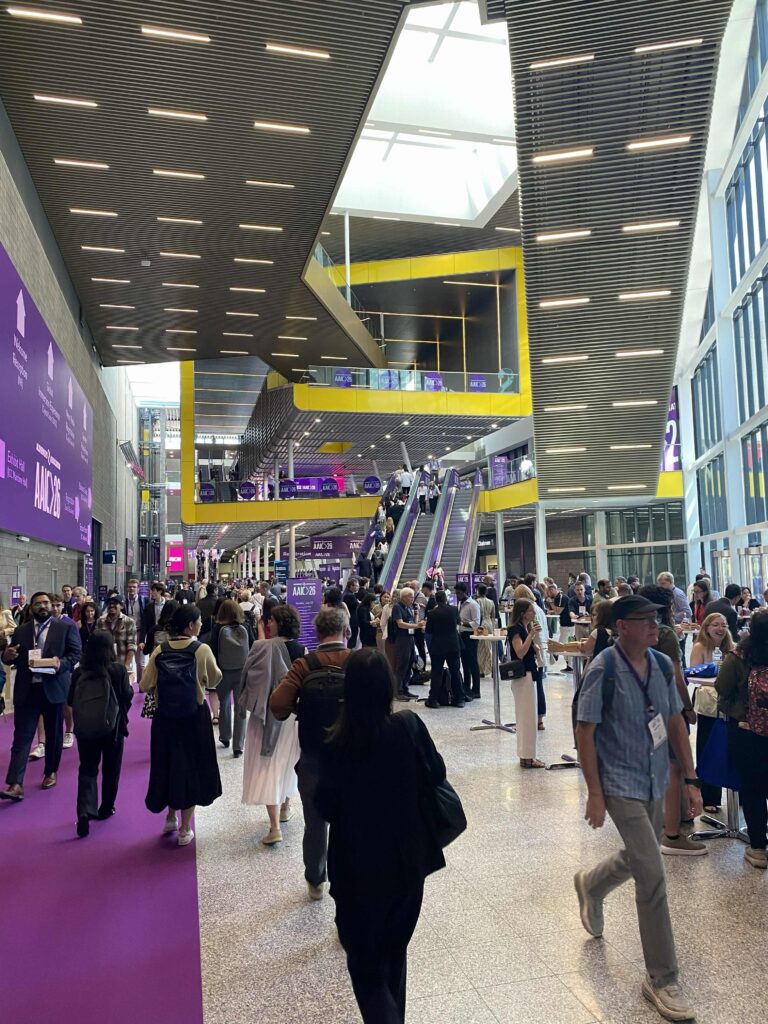
In this visit, I attended AAIC 2026 in London. After spending time in a more focused research environment, being surrounded by such a large international community of researchers and professionals working in Alzheimer’s disease and related fields was particularly inspiring.
The conference brought together people from many different backgrounds and areas of expertise. There were inspiring presentations, interesting research findings, thoughtful questions and discussions, and plenty of opportunities to exchange ideas.
For me, one of the most valuable parts of a conference like AAIC is not necessarily a single presentation or session. It is the bigger picture that emerges when you listen to different researchers thinking about related challenges from different perspectives.
A question raised during a session, a short conversation after a presentation, or an unexpected discussion with another researcher can sometimes stay with you long after the conference has ended.
I also really appreciated the collaborative spirit of the Alzheimer’s Association community. There was a strong sense of people coming together to share knowledge, learn from one another, and contribute to a field that brings together many disciplines and perspectives.
More than a trip
Looking back, I think of these weeks as more than simply a research visit and a conference trip.
They gave me time to work on my research, but also time to listen, reflect, ask questions, meet new people, and see my work from different angles.
Academic life can sometimes become very focused on outputs like papers, presentations, projects, and deadlines. Experiences like this remind me that research is also about people and conversations. It is about being curious, being willing to learn, and allowing new ideas to challenge or expand the way we think.
Research visits are probably one of the important parts of a research career. You meet people with different experiences, approaches, and ways of thinking, and these interactions can challenge your assumptions and broaden your understanding. Even when you return to your own research environment, you bring back new questions, ideas, and ways of looking at your work. For me, this was one of the most valuable aspects of the visit: having the time and space to widen my perspective, both as a researcher and as a person.
A few weeks in London, two very different academic experiences, and many memories and ideas to take forward.
Hannaneh Moradi works as a doctoral researcher in the Neuro-Innovation PhD programme. Her research focuses on networks and organization.