Carbon Cycling in Boreal Peatlands and Climate Change IV – Hyytiälä revisited
5th—9th of October 2026 @ Hyytiälä Forest Station
Programme:
- Carbon dynamics in natural and managed peatlands (Tuesday 6th of October, 8:30-10:40)
- Functional biodiversity of peatlands (Tuesday 6th of October, 12:30-14:30)
- Peatland restoration (Wednesday 7th of October, 8:30-11:30)
- Role of non-CO₂ fluxes in climate impacts of peatlands (Wednesday 7th of October, 12:30-14:30 and Thursday 8th of October 9:40-11.30)
- Human-peatland relationship (Thursday 8th of October 9:00-9:30)
- Topical questions on pristine, managed and restored peatlands (Friday 9th of October, 9:00-11:30)
Keynote speakers
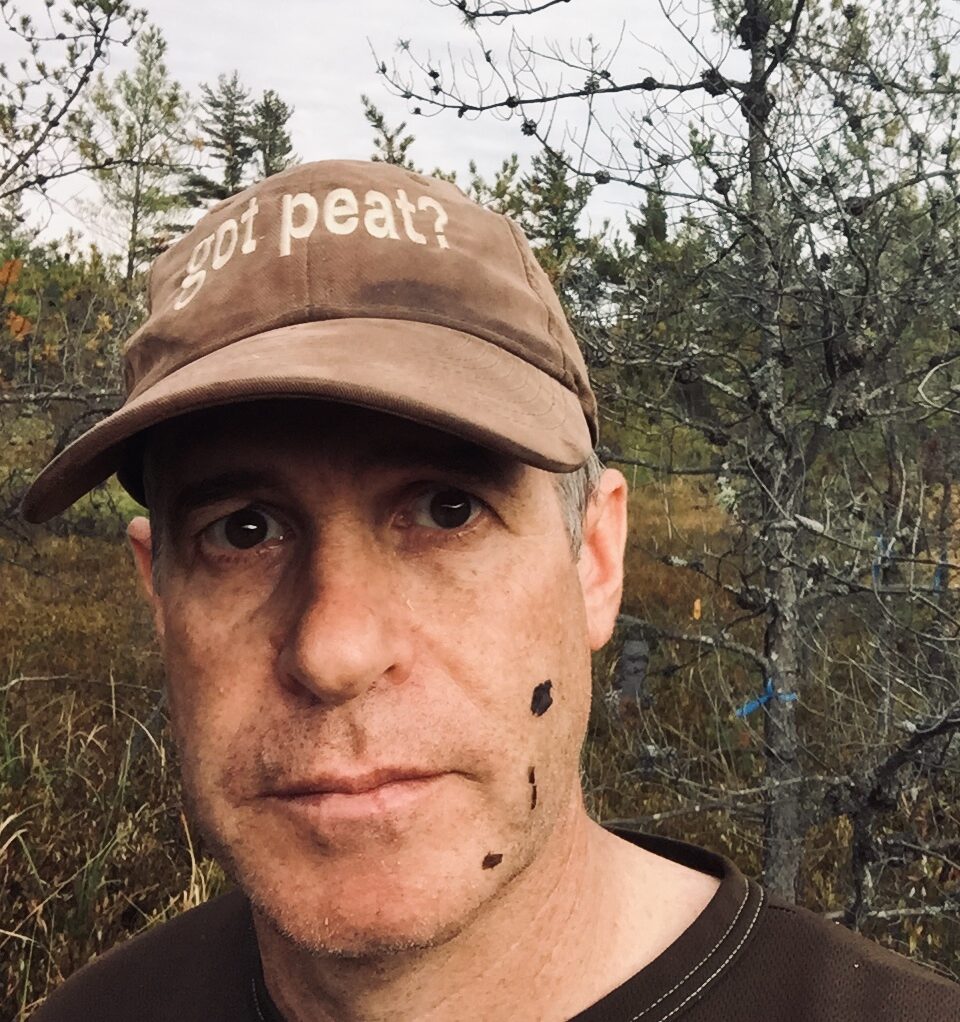
Mike Waddington
Professor
MacMaster University
Dr. James Michael (Mike) Waddington is a Canada Research Chair in Ecohydrology and a Professor in the School of Earth, Environment & Society at McMaster University. Mike has expertise in boreal wetland research and will talk about shallow peatlands as sentinels of climate change.
Gerald Jurasinski
Professor
The University of Greifswald
Gerald Jurasinski is a Professor at The University of Greifswald. His scientific work focuses on the influence of land use and climate change on vegetation and soil and thus on the material turnover of sites, ecosystems and landscapes. He has experience with methods from vegetation ecology, plant ecology, biogeochemistry, microbiology and micrometeorology and links the resulting information with geographical information systems and geostatistical models. Since 2008, his work has focused on peatland ecosystems and forests.
Anna Beata Seniczak
Professor
Univeristy of Inland Norway
Anna Beata Seniczak is a Professor at University of Inland Norway. Her presentation will discuss mites as bioindicators in peatlands.
Hannu Marttila
Professor
University of Oulu
Hannu Marttila is a Professor at the University of Oulu whose research focuses on hydrology, peatlands, and carbon and nutrient transport in northern environments. Hunting for lateral carbon movement in peatlands’ presentation examines how carbon is transported by water within and from peatlands, and why these often-overlooked lateral fluxes are important for understanding peatland carbon cycling and climate change impacts.
Anna Laine-Petäjäkangas
Assistant professor
University of Eastern Finland
Anna Laine-Petäjäkangas is an assistant professor at University of Eastern Finland. She has a background is in peatland ecosystem ecology and her current main research interest falls on climate and biodiversity impacts of peatland restoration.
Bjorn Robroek
Associate professor
Radboud University
Bjorn Robroek specializes in unraveling the intricate relationships between plants and microbes in peatland ecosystems. His research focuses on understanding how these complex below- and aboveground interactions shape ecosystem functioning. In this light, Bjorn is also fascinated by (plant and microbe) community assembly along large enviro-climatic gradient.
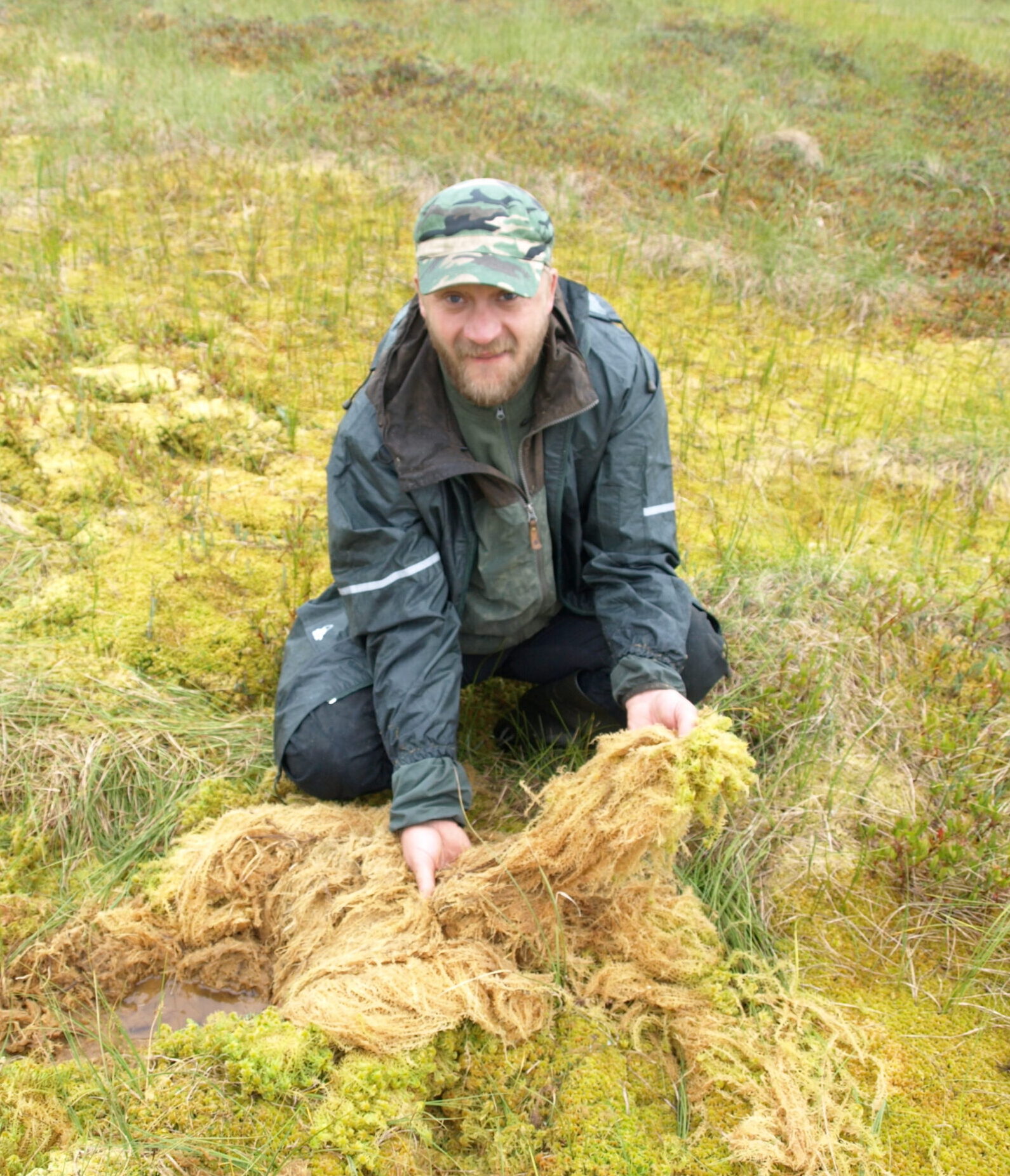
Teemu Tahvanainen
University lecturer
University of Eastern Finland
Teemu Tahvanainen is interested in the role of vegetation as ecosystem structure and influence of vegetation changes on ecosystem functions. The proliferation of Sphagnum moss growth and connected shift in ecosystem functions is a common phenomenon in peatland development. Triggering or acceleration of the phenomenon is widely observed in northern fens and it is fundamental to post-restoration development. Sphagnum proliferation is a progressive ecosystem shift that can lead to increased carbon accumulation, with remarkable implications for climate change impacts and restoration outcomes.
Monica Vasile
Postdoctoral researcher
University of Oulu
Monica Vasile is a historian of science and the environment with a background in anthropology. Her current research at University of Oulu within the SAFIRE project focuses on peatland restoration in Finland, especially its history and the scientific, political, and social debates surrounding it. She is interested in how restoration practices and ideas of ecological recovery change over time. Her broader research examines the history of conservation, rewilding and species recovery, with a focus on the relationship between scientific knowledge and environmental intervention. Earlier projects explored the political ecology of forests and conservation in Eastern Europe. Her work has been published across environmental history, environmental humanities, political geography, and conservation studies. Photography by Kevin Kallombo.
Schedule
Artists
Juhani Pallasmaa
Juhani Pallasmaa is an architect and Professor Emeritus who has worked as an architect, exhibition and graphic designer, as well as a writer and educator in several countries. His writings focus particularly on the interactions between architecture and various art forms, as well as on the phenomenology of the arts. He has published more than one hundred books, and his writings have been translated into forty languages.
Annatuuli Saine
For the past ten years, Annatuuli Saine has been dancing in the Finnish wetlands and bringing Finnish and international artists, researchers, students, and conservationists to dance there with her. Together, they have danced at Siikaneva, Karvasuo, Torronsuo, and Kaitasuo. Now she is dancing alone at Pehkusuo, in dialogue with Juhani Pallasmaa’s environmental artwork After the Rain.
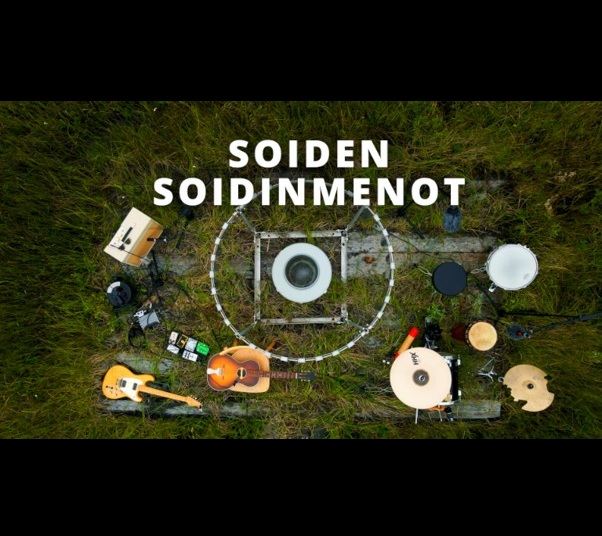
Soiden Soidinmenot
Soiden Soidinmenot is a media art work that brings together art music, bog landscapes, and imagery related to wetland restoration, creating an intriguing and cohesive aesthetic experience. The work is rooted in avant-garde music, whose sonic landscape merges with Finnish bog environments, peatland forests, and phenomena associated with wetlands. The work is an equal symbiosis of music and bog imagery. Its aesthetic soundscape is based on the musical expression of composer and guitarist Heikki Ruokangas, whose music evoked in director Juho Karjalainen the intense mating rituals taking place in the wetlands. In addition to its aesthetic and artistic value, the work aims to increase understanding of the importance of wetlands, introduce audiences to bog ecosystems, and open a window into the worlds of avant-garde and contemporary jazz. Beyond their beauty, wetlands are essential for preserving biodiversity and mitigating climate change. Soiden Soidinmenot approaches these themes primarily from an aesthetic perspective, offering, among other things, a glimpse into how wetlands are studied and how peatlands in Finland that were once drained are being brought back to life. At Hyytiälä, the work will be presented accompanied by live music, but Soiden Soidinmenot can also be constructed as an immersive installation.
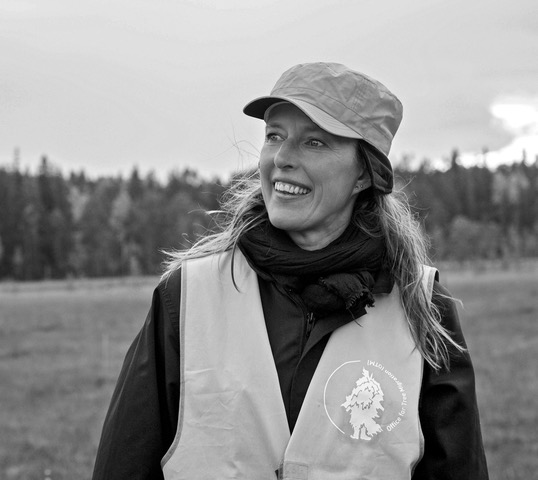
Ulla Taipale
In her work as an art curator, Ulla Taipale combines art with the natural sciences and experiences of nature. In recent years, peatlands have featured prominently in artists’ work, and magnificent artworks have been created in the bogs near the Hyytiälä Forest Station, inspiring audiences to experience the enchantment of bog nature both on site and at exhibitions around the world. Taipale works at the INAR / University of Helsinki, where she has curated the Climate Whirl Art&Science program since 2012.
Agnes Meyer-Brandis
Agnes Meyer-Brandis is a Berlin based artist with a background in sculpture and new media. She creates works on the fringes of science, fiction and fabulation. Educated first in mineralogy, followed by studies at the art academies in Maastricht, Düsseldorf and Cologne, she has founded the Research Raft, a fictitious Institute for Art & Subjective Science that purposefully ‘is asking questions but gives no answers’ in fields such as climate research, environmental studies, meteorology, as well as synthetic and artistic biology. Meyer-Brandis’ work has been exhibited worldwide and awarded with many prizes, including two Prix Ars Electronica Awards of Distinction & the European Kairos prize.
Field visits
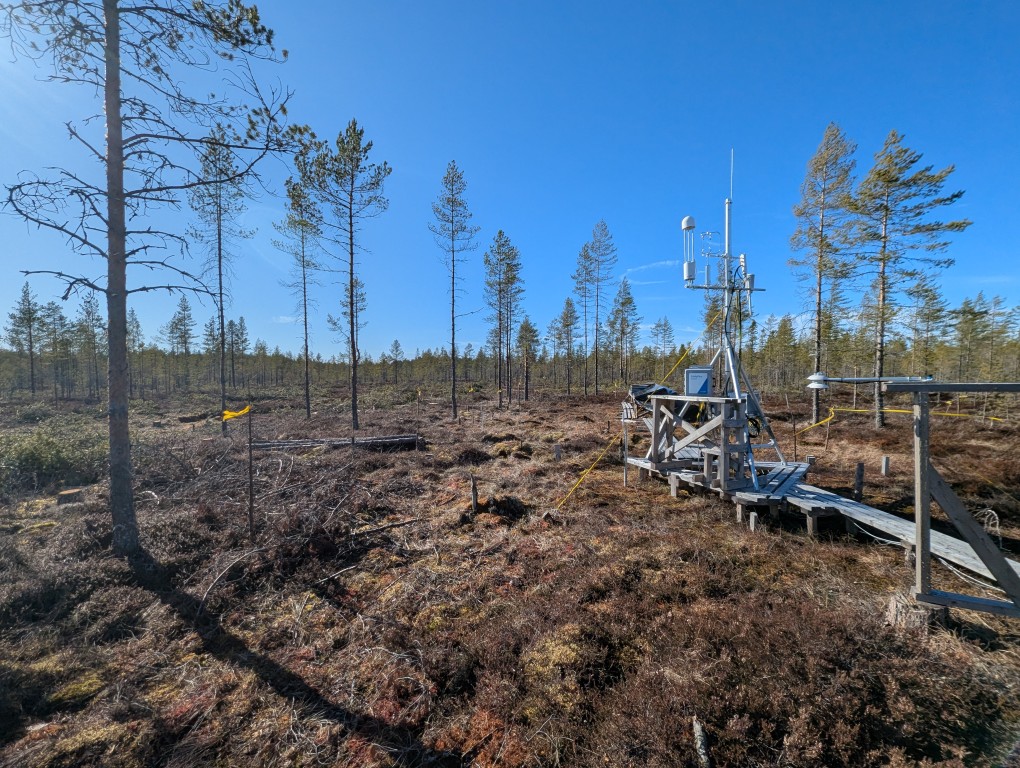
Viheriäisenneva restored peatland
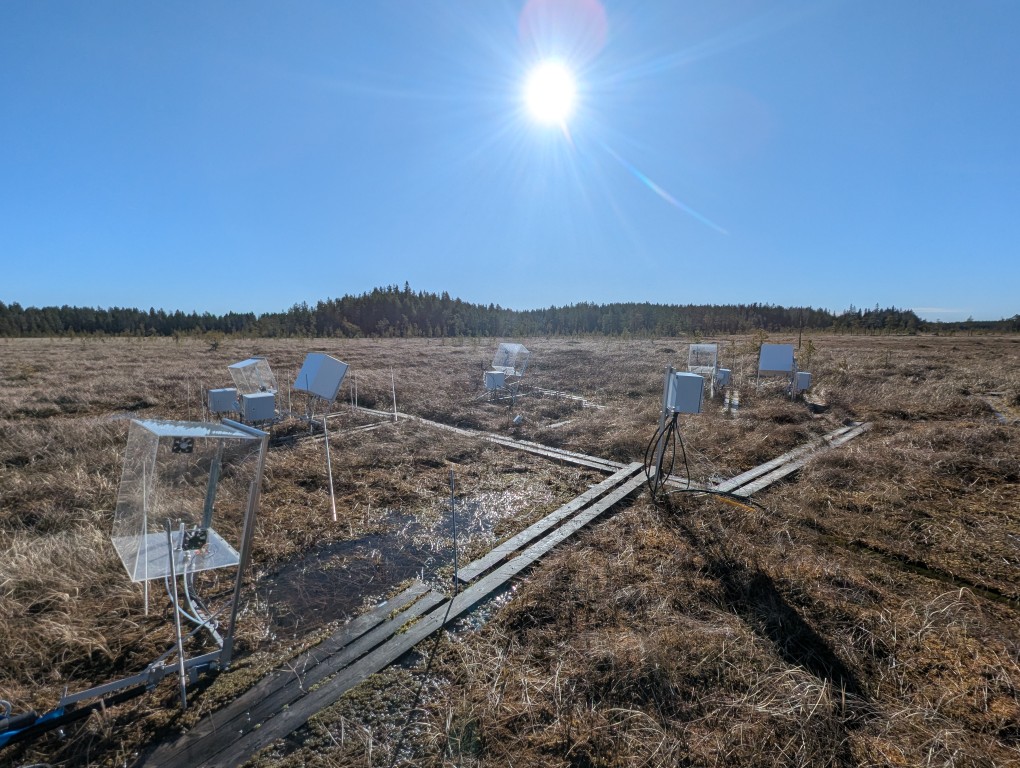
Siikaneva fen
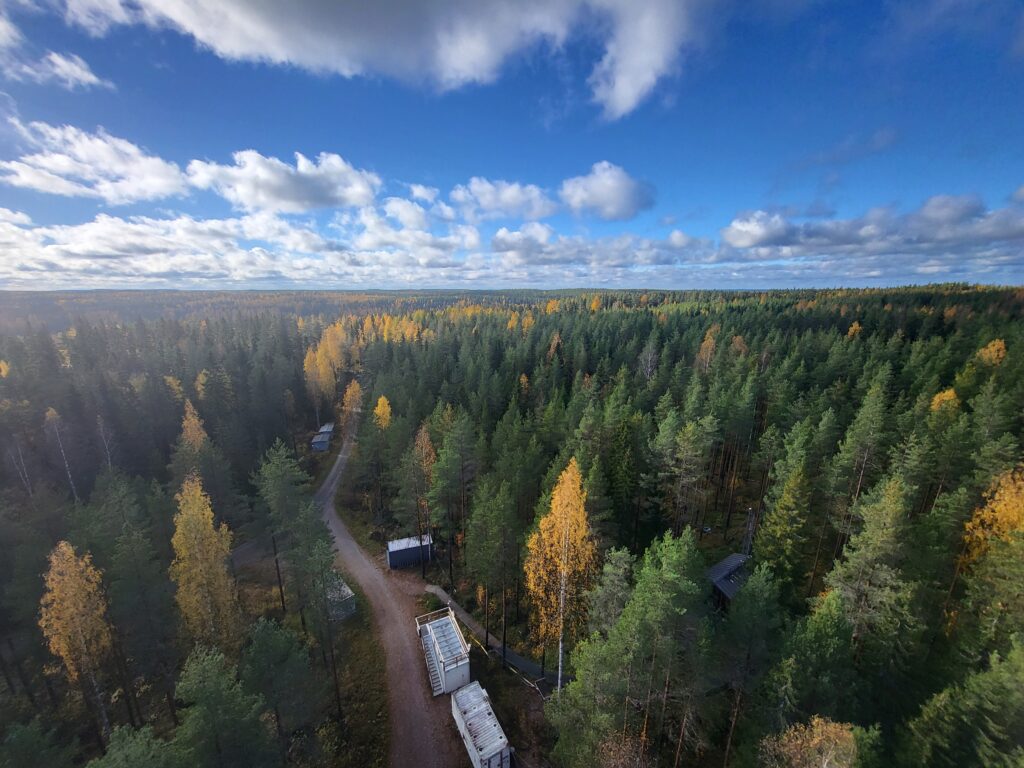
SMEAR II forest
Poster programme
- Partitioning the roles of peat, mosses, and vascular plants in carbon cycle of boreal peatlands: Elisa Männistö, University of Eastern Finland
- Effect of rewetting on CH4 production and oxidation potentials in a boreal fertile peatland forest: Ellinoora Ekman, University of Helsinki
- Attributing surface temperature difference between a northern mire and forest to their biophysical properties: Erkka Rinne, Finnish Meteorological Institute
- Soil carbon balance and greenhouse gas emissions in forested and rewetted blanket peatlands across Ireland: Iris Boey, University of Limerick
- How restoration affects greenhouse gas exchange at two forestry drained fens in Northern Finland: Jack Chapman, Finnish Meteorological Institute
- Energy Balance Closure in Extracted Peat and Rewetted Peatlands: Kadir Yildiz, University of Tartu
- Full annual net ecosystem carbon balance of a boreal fen – integrating hydrologic and atmospheric carbon fluxes: Karoliina Särkelä, University of Oulu
- Modelling cutover peatland with JSBACH-HIMMELI: Maarit Raivonen, University of Helsinki
- Effect of Oxygen on peat enzyme profile: Niels Gudmand Christiansen, University of Copenhagen
- Peatland wildfires: Outi Kinnunen, Finnish Meteorological Institute
- Water chemistry and GHG fluxes in a lake affected by peatland drainage and rewetting: preliminary results: Sari Juutinen, Finnish Meteorological Institute
- Tracking the Colour of Peatlands: understanding peatland green leaf phenology using community science: Scott J. Davidson, Université du Quèbec à Montrèal
- Do linear disturbances influence how boreal peatlands respond to wildfire?: Scott J. Davidson, Université du Quèbec à Montrèal
- Post-thaw vegetation changes and carbon accumulation in polygonal peatlands and treed peat plateaus in Northwest Hudson Bay Lowlands, Canada: Tiina Kolari, University of Eastern Finland
- Exploring the peatland plants’ response to drought with stable water isotopes: Vesa Korhonen, University of Helsinki
- Impacts of extreme meteorological events on wetland ecosystem-atmosphere CO2 exchange: Salla Tenhovirta, Finnish Meteorological Institute
- Integrating biodiversity indicators with long-term greenhouse gas flux data: Insights and data availability from ICOS Ecosystems stations: Salla Tenhovirta, Finnish Meteorological Institute
Posters can be found in the Old Dining Hall (Vanha Ruokala).