
Keynote speakers
Docent Satu Venäläinen
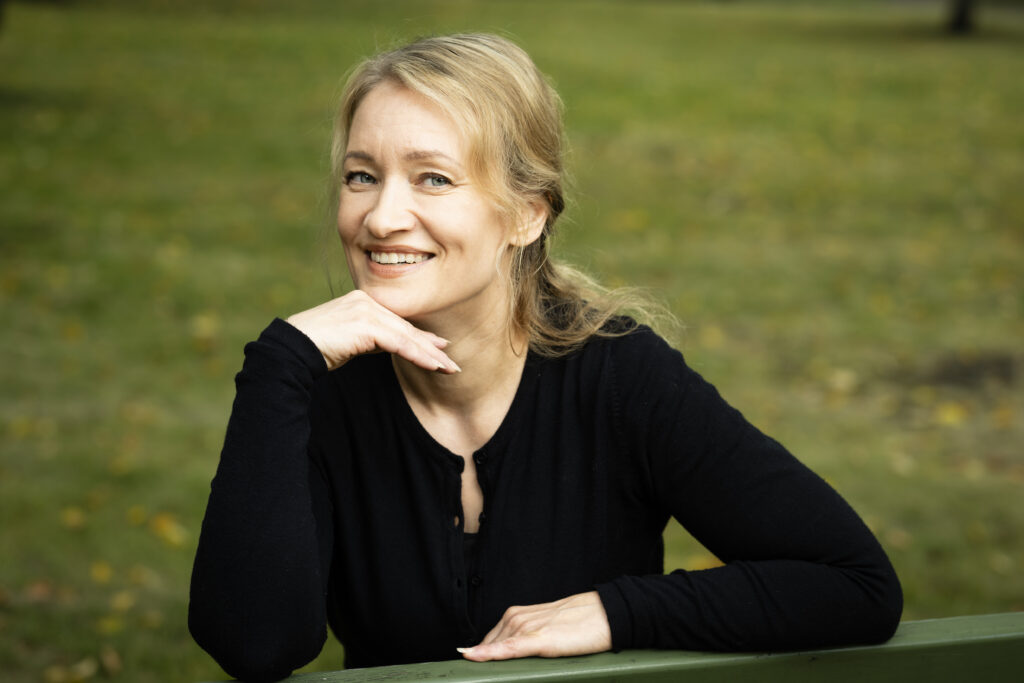
The many forms and possibilities of co-research
Satu Venäläinen is a Docent in Social Psychology and a University Lecturer at the University of Helsinki. In 2025–2026, she is working as a University Researcher at the Helsinki Collegium for Advanced Studies, where she is writing a book on violence and affects and studying emotional experiences arising from changing social media environments.
Venäläinen has conducted research on violence, gender, and intersectional inequalities using a variety of methodological approaches. At the center of her research are the formation of competing and culturally circulating ways of understanding, the tensions between them, and the subjective experiences, modes of knowing, and emotions that emerge within these dynamics.
In numerous publications, she has examined (power) relations related to knowledge and research, and she is one of the editors of Kanssatutkimus: Ihanteet ja käytännöt (“Co-Research: Ideals and Practices,” edited by Meri Kulmala, Sanna Spišák, and Satu Venäläinen, 2023). Drawing on participatory approaches, Venäläinen has explored topics such as young people’s experiences of sexual harassment, their encounters with mental health services, and social media users’ experiences of online discussions about violence and inequality.
Her articles have appeared in journals including Violence Against Women, NORA – Nordic Journal of Feminist and Gender Research, Social Problems, Men and Masculinities, European Journal of Cultural Studies, The Sociological Review, Feminist Media Studies, Feminism & Psychology, Emotions & Society, and Qualitative Psychology. She is also a co-editor of the forthcoming volume From the Digital to the Societal: Socio-Discursive Insights into Online Communities (edited by Alfonso Sánchez-Moya, Roberta Claudia Combei, Satu Venäläinen, and Agnieszka Seweryn) and Sosiaalinen konstruktionismi — Miten tarkastella tulkintojen ja todellisuuden sosiaalista rakentumista (“Social Constructionism — How to Examine the Social Construction of Interpretations and Reality,” edited by Miira Niska, Satu Venäläinen, Antero Olakivi, and Jose Cañada, 2024).
Emeritus Professor Jaakko Seikkula
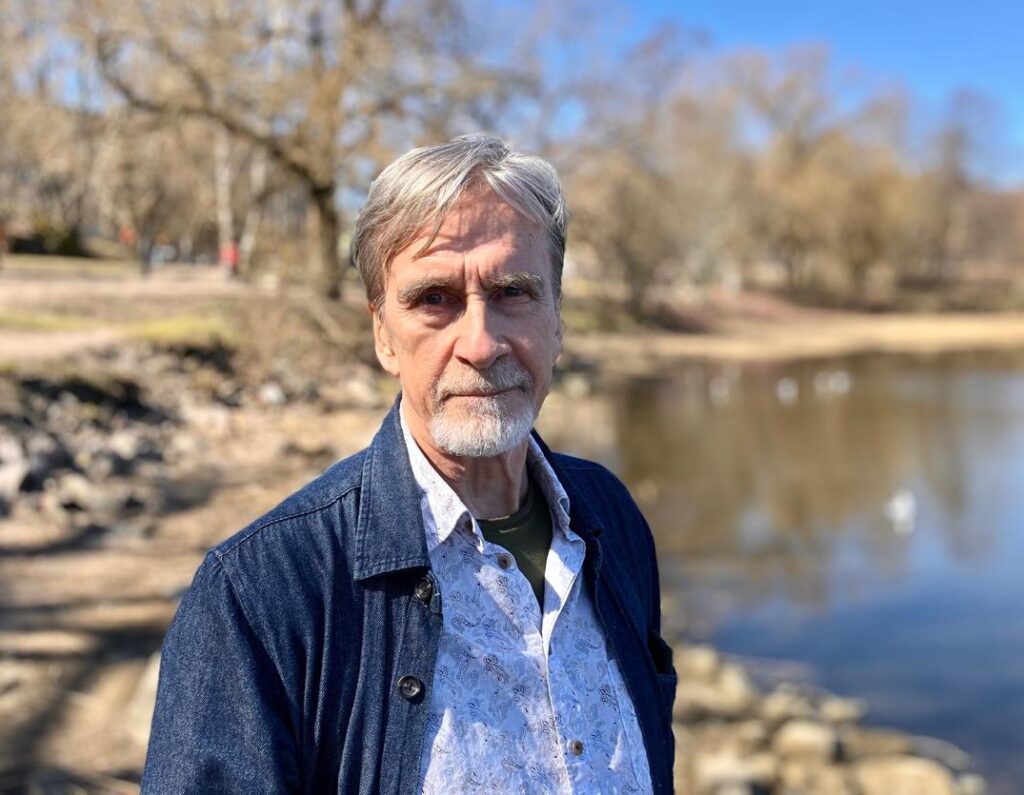
Dialogue has an impact – but why?
Jaakko Seikkula is a clinical psychologist and Professor Emeritus at the University of Jyväskylä. He is widely recognized as a researcher of dialogical therapeutic practices. Together with his research teams, Seikkula has studied and developed for more than forty years the internationally known so-called Keropudas model—a dialogical approach to thinking and treatment in psychosis and other severe crises.
According to Seikkula, dialogical practices are not symptom-centered but grounded in a particular understanding of humanity, where participants enter into a genuine dialogical relationship with one another. The Open Dialogue method has achieved significant outcomes in terms of clients’ well-being, and the model has also been applied in social work. Moreover, it offers important perspectives for studying interaction and collaboration in client work.
For over forty years, this development work has been based on the integration of practice and research. Seikkula’s writings and textbooks have been translated into several languages.
PhD, Docent Taru Kekoni and MD, Clinical Lecturer Henna Saari
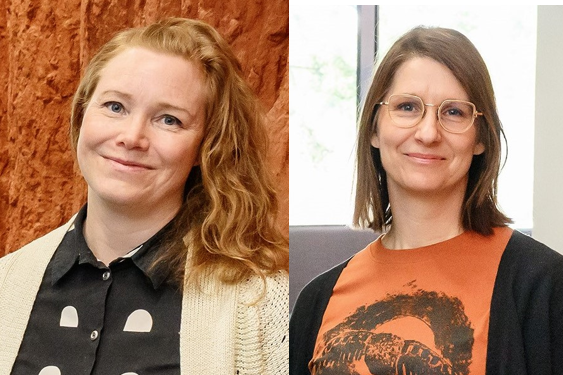
Interdisciplinary Teaching and Learning
Taru Kekoni is a University Lecturer in Social Work at the University of Eastern Finland and a Docent in Social Work, with a specialization in multidisciplinary competence, at Tampere University. Her research focuses on various aspects of multidisciplinarity, including multidisciplinary learning and teaching, forms of interprofessional collaboration, and interaction skills in working life.
Henna Saari is a Specialist in General Medicine, Doctor of Medicine, and Clinical Teacher at the University of Eastern Finland. She also works as a consulting physician, clinician, and supervisor within the multidisciplinary teaching clinic Osmo in the North Savo Wellbeing Services County.
Multidisciplinary collaboration and competence among social and health care professionals are shared areas of interest for Henna and Taru. Together, they have contributed to the development of a model and network for multidisciplinary practical education in North Savo, and they continue to be actively involved in several multidisciplinary teaching development and research projects.
Professor Paul Willis
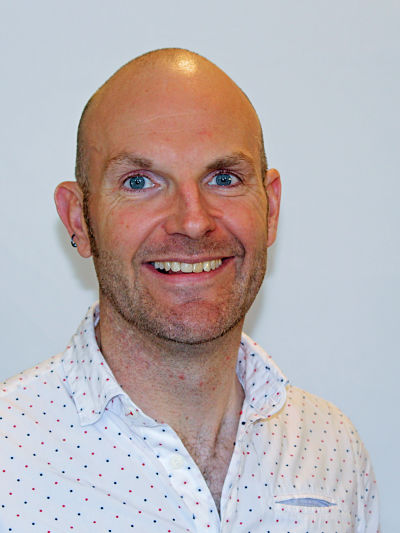
Stitching together social work and health care for better outcomes for older people – seamless or patchwork?
Paul Willis is Professor of Social Care, a registered social worker, and the inaugural Director of CARE – the Centre for Adult Social Care Research, based in the School of Social Sciences at Cardiff University. His research background is in social gerontology and social work, and his research focuses on issues of social inclusion and care in later life, particularly for older people belonging to minoritised groups. Areas of expertise include: housing, ageing and social inclusion; unpaid carers and social isolation; loneliness, ageing and later life; older men’s social connections; sexuality, gender identity and ageing; LGBTQ+ ageing; social work with older people.