
Postdoctoral Researchers
Our Postdoctoral Researchers are selected through two open calls. Call 1 has finished and Call 2 will finish at the end of February, 2026. On this page, we will present each postdoc after they have started their project.
- Postdoc: Dr. Emine Erdag, Institute of Biomedicine, School of Medicine, Faculty of Health Sciences
- Project: Circadian Regulation of Microglial Homeostasis in Alzheimer’s Disease:
Targeting the BMAL1-Dependent TREM2–PLCγ2 Signaling Pathway
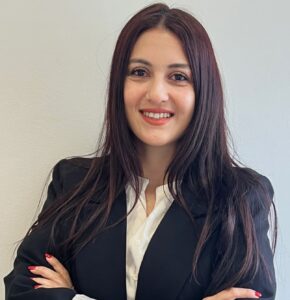
Emine’s research explores how disrupted daily rhythms affect immune cells in the brain during Alzheimer’s disease (AD). She investigates how the circadian clock gene BMAL1 regulates immune-metabolic pathways.
Using human iPSC-derived microglial models with different genetic risk backgrounds, Emine aims at uncovering mechanisms that could inspire new chronotherapy approaches for AD.
“One major challenge in Alzheimer’s research is understanding why inflammation in the brain worsens as the disease progresses. Evidence suggests that disrupted circadian rhythms may play a key role, but the underlying mechanisms are still unclear. By clarifying how circadian biology shapes microglial function, my research seeks to identify new intervention points that could help delay disease progression and improve quality of life.”, explains Emine.
Starting her 36-month postdoc period in the NOVEL MSCA Postdoctoral Programme, Emine is most excited about working in an interdisciplinary environment where chronobiology, neuroimmunology, and advanced stem cell models converge to address complex questions in Alzheimer’s disease. According to her, this postdoc offers a unique opportunity to connect mechanistic discoveries with translational impact, while collaborating with internationally recognized experts in microglial biology and neurodegeneration.
“I especially look forward to contributing to research that may reshape how circadian biology is integrated into future therapeutic strategies.”, Emine says.
In the long run, those most likely to benefit from her research are individuals facing age-related or genetic risk for AD, as well as clinicians seeking more effective preventive strategies.
Outside the lab, you can find Emine spending time in nature, traveling, and discovering new cultures, as such experiences help her reset, stay curious, and bring fresh perspectives into her work. So, don’t get too surprised: despite seeming calm on the outside, Emine loves spontaneous adventures and exploring unfamiliar places!
- Postdoc: Dr. Stefanie Klima, Human Brain Disease Modelling research group, A.I. Virtanen Institute for Molecular Sciences, Faculty of Health Sciences
- Project: Delineating disease mechanisms in Parkinson ‘s disease (PD) progression and identifying biomarkers in deep brain stimulated (DBS) patients
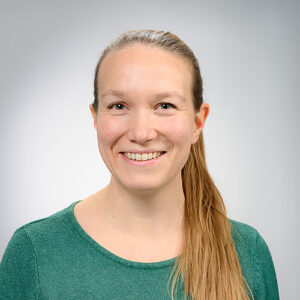
Stefanie’s research aims to reveal processes that are disturbed in the brains of patients suffering from Parkinson’s disease. She will analyse patient material and compare these findings to results obtained from patient-derived in vitro model systems.
Through her research, Stefanie hopes to get a better understanding of mechanisms causing and progressing Parkinson’s disease.
“This is important, as the disease currently can’t be cured nor can the progression be effectively halted. Even worse, Parkinson is the fastest growing neurodegenerative disease worldwide with a prevalence expected to double within the next 20 years. It places a huge burden on patients, family, healthcare systems, and economies with an estimated average annual cost for treatment of 21.000€ per PD patient in the EU. This does not account for social impacts like loss of income and social isolation of caregivers.”, Stefanie explains.
In the long run, her research will hopefully have an impact on improved healthcare for patients and also on the wider society, as not only patients are affected by Parkinson’s. The project will identify mechanisms crucial in Parkinson’s disease. The identified mechanisms will function as potential targets used in drug discovery to develop new medications more effectively treating Parkinson’s disease.
During her recently started postdoc period, Stefanie is looking forward to the combination of being able to fully immerse herself in this exciting topic for three years and to also get the opportunity of developing her career.
“I hope to sharpen my personal profile: To this end I am going to identify which skills I can develop further, and addressing these skillsets by assembling and attending a tailored training schedule comprising different areas (methods, leadership, project management, grant writing). Besides the work-related topics, I look forward to immersing into the Finnish culture, doing my best to learn some Finnish, getting to know the Finnish cuisine and way of living”, she shares.
Outside of research, Stefanie enjoys being outside in nature for hiking, rowing, climbing, camping and skiing. She also enjoys doing pottery, sewing, knitting, and cooking.
Fun facts about her: in German, her last name means “Climate”. She also had diplomatic status for a couple of years!
- Postdoc: Dr. Eppu Manninen, Neurobiology of Memory research group, A.I. Virtanen Institute for Molecular Sciences, Faculty of Health Sciences
- Project: Development of next-generation MRI biomarkers in aging
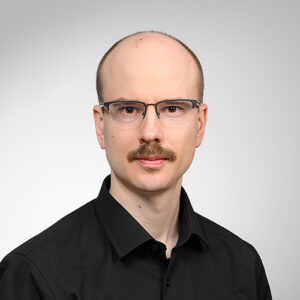
Eppu’s research aims at finding MRI-based biomarkers that can predict accelerated cognitive decline and other aging-related diseases, creating potential targets for interventions to promote healthier aging. “Aging is the most important risk factor for many diseases, including Alzheimer’s disease and cognitive decline. Magnetic resonance imaging (MRI) is a safe imaging modality that can be used repeatedly to track longitudinal changes in brain structure and function”, notes Eppu.
In the long run, Eppu’s research could lead to earlier detection of aging-related diseases, expanding the time window available for the effective application of treatments. It could also lead to new potential targets for drug development. Successful anti-aging interventions could increase the health, function, and happiness of people in their later years.
Eppu is looking forward to learning about and to researching new methods in the endlessly varied and exciting field of MRI during his 3-year postdoc in the NOVEL MSCA Postdoctoral Programme. “I also look forward to expanding my collaborative network which is a necessity in the highly interdisciplinary field of neuroscience”, says Eppu.
In his free time, Eppu enjoys playing guitar and bass. He is also fond of board games.