
Flash ethnographies and research insights

Here lies the collection of the important, powerful and interesting insights and voices that we’ve encountered and collected during our research, fieldwork and interviews.
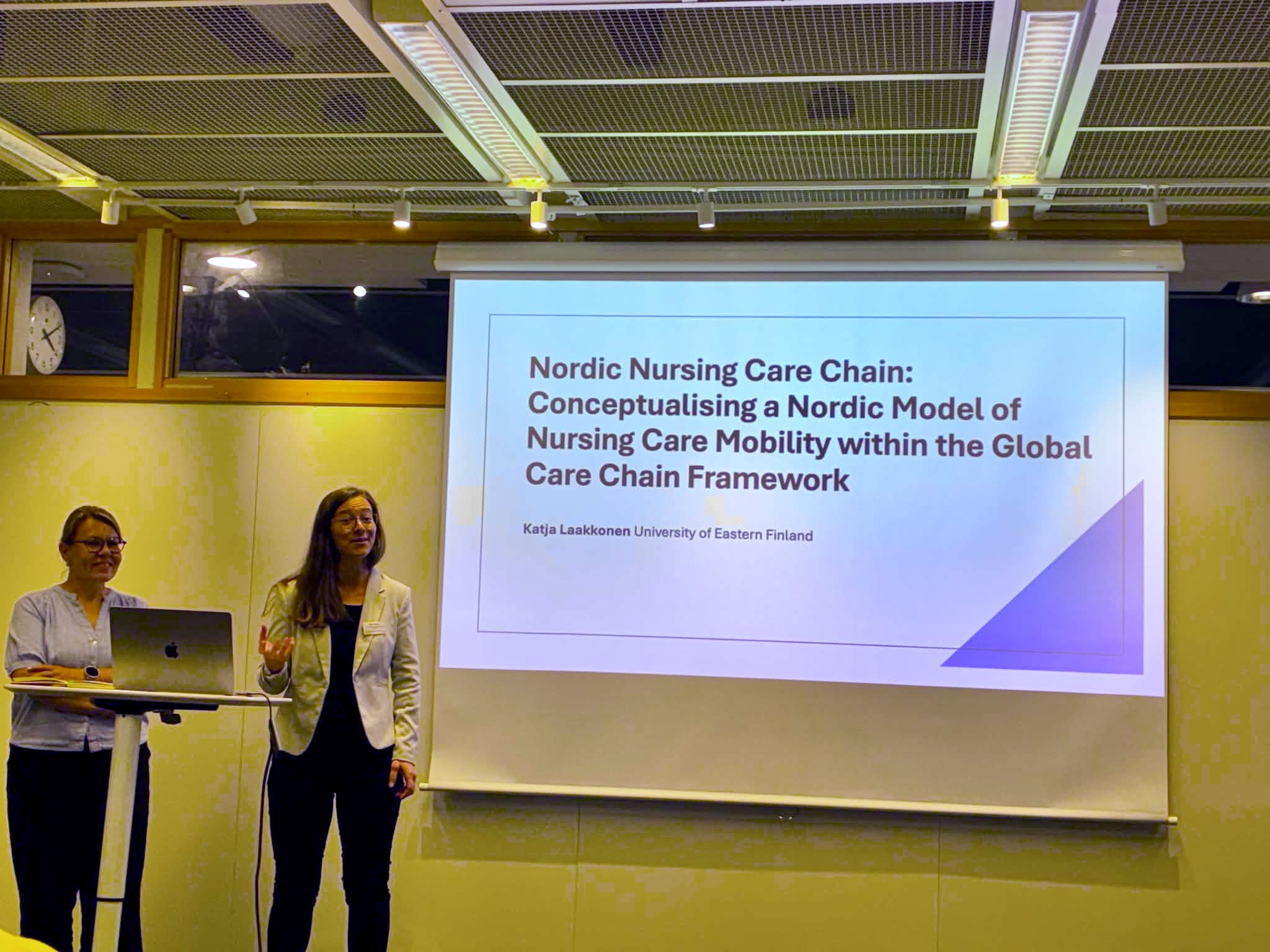
Nordic Nursing Care Chain: Conceptualising a Nordic Model of Nursing Care Mobility within the Global Care Chain Framework
CLICK for the full text
Katja Laakkonen and Mariya Bikova delivered a conference presentation on the notion of the Nordic Nursing Care Chain (NNCC), in the context of other global care chains (GCC), particularly movements from the global South to the global North. These frameworks have been essential for understanding the globalisation of care, yet they do not fully capture what happens between Nordic welfare states. This is the gap that the NNCC seeks to address.
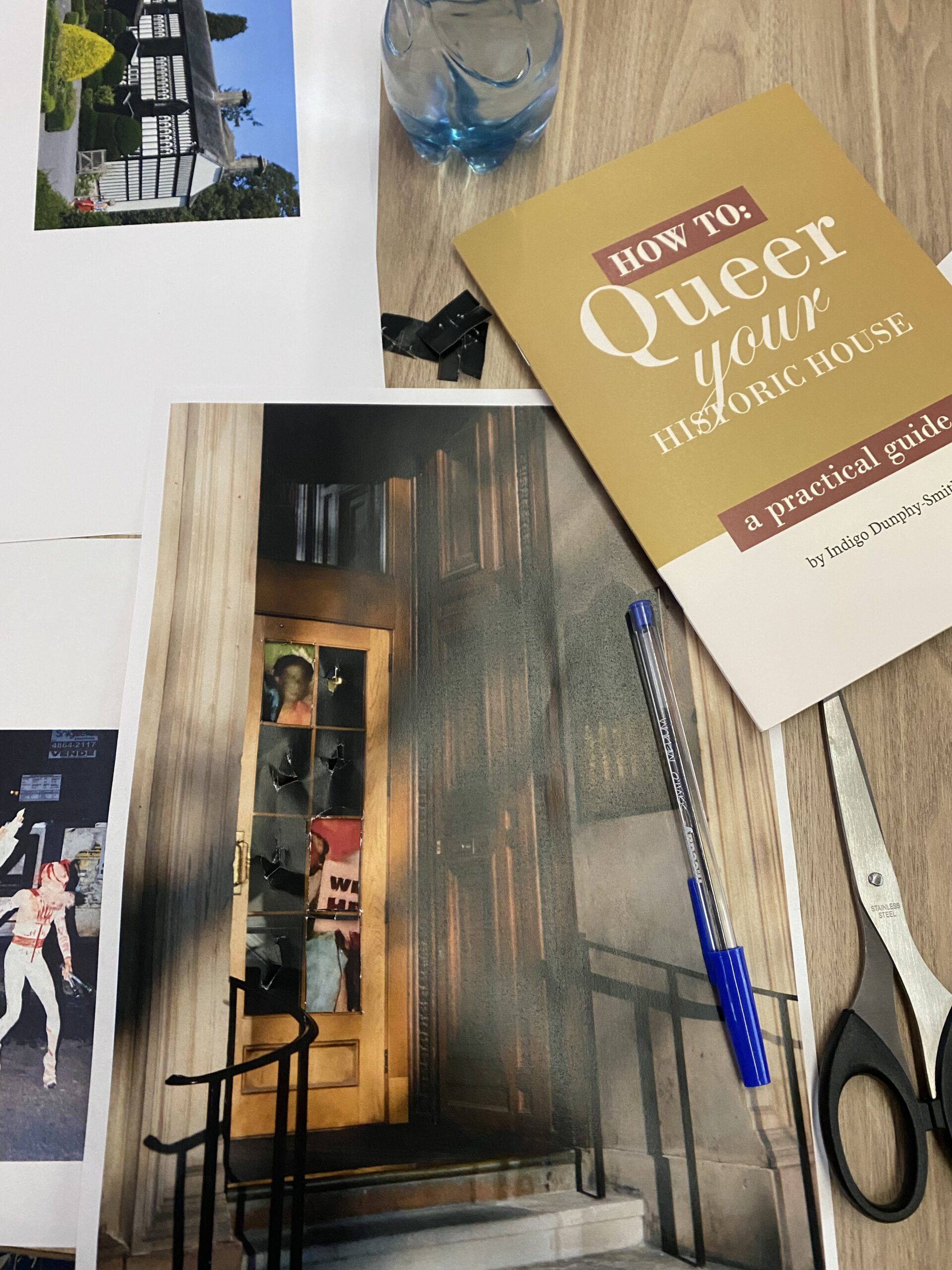
Meeri Ott: Becoming a geographer – finding disciplinary kinship in Durham and London
CLICK for the full text
“Over the past month, I travelled to the United Kingdom twice: first to a queer and trans worldbuilding retreat in Durham, then to the RGS-IBG Annual International Conference in London. The settings could hardly have felt more different – one was an intimate and slower-paced space constructing new ways to be; the other vast, fast and intellectually electric. Yet together they did something similar. They showed me, a former folklorist with a lifelong companion named Impostor Syndrome, that I and my (research) interests might actually belong to the world of human geography”.
When a Lunch Turns into a Research Collaboration
CLICK for the full text
Get to know Katja Laakkonen, Reetta Haverinen, Iris Lehto and Erja Laakkonen – whose casual lunch break turned into a joint article!
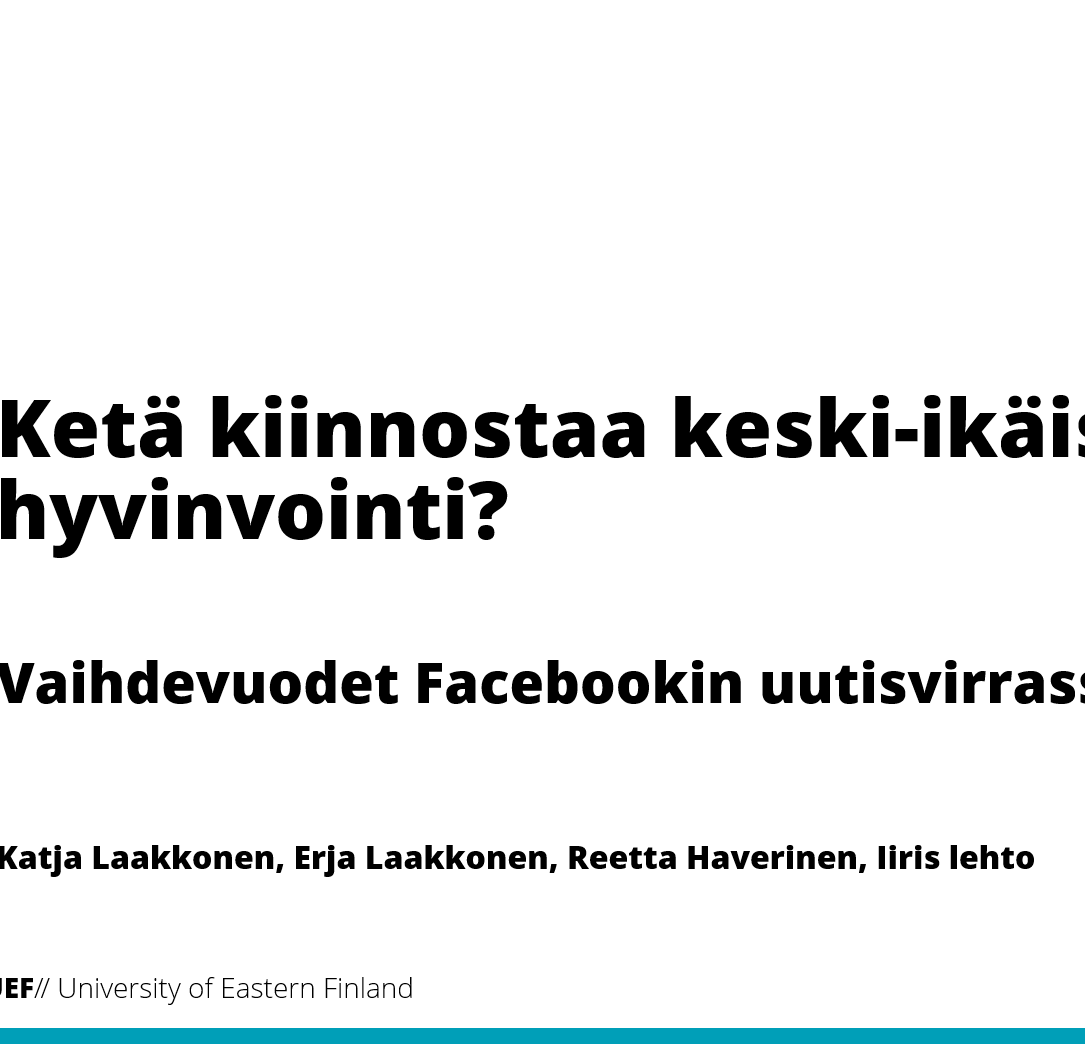
Who Cares About the Wellbeing of Middle-Aged Women?
CLICK for the full text
Katja Laakkonen with Erja Laakkonen, Reetta Haverinen and Iiris Lehto delivered a conference presentation examining the meaning structures of sponsored menopause-related content circulating in social media at the Social and Public Policy Winter School of the University of Eastern Finland, held on 18–19 March 2026.
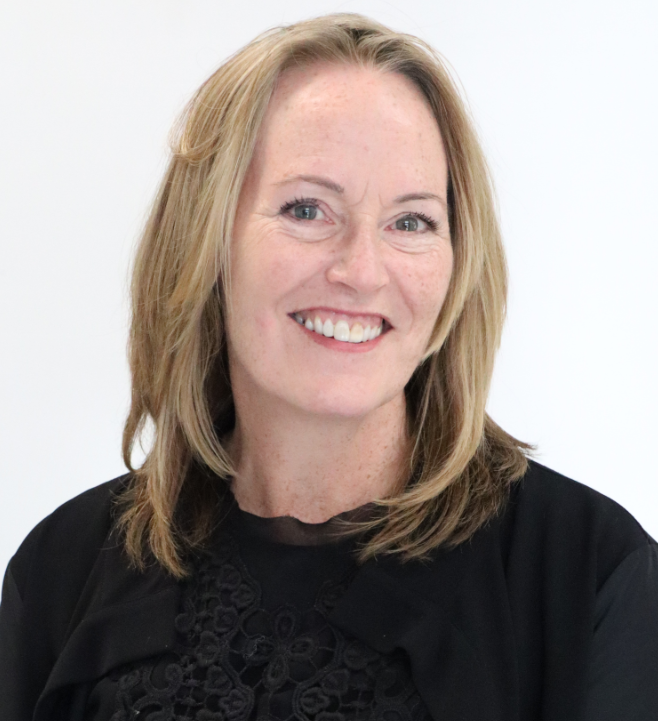
Shawna O’Hearn: Towards a shared language of menopause equity
CLICK for the full interview
Aija Lulle interviewed Shawna O’Hearn – an occupational therapist with a PhD on perimenopause experiences among Canadian health professionals. O’Hearn researches menopause’s everyday realities—identity, family, community, and workplaces—while championing the inclusion of all voices.
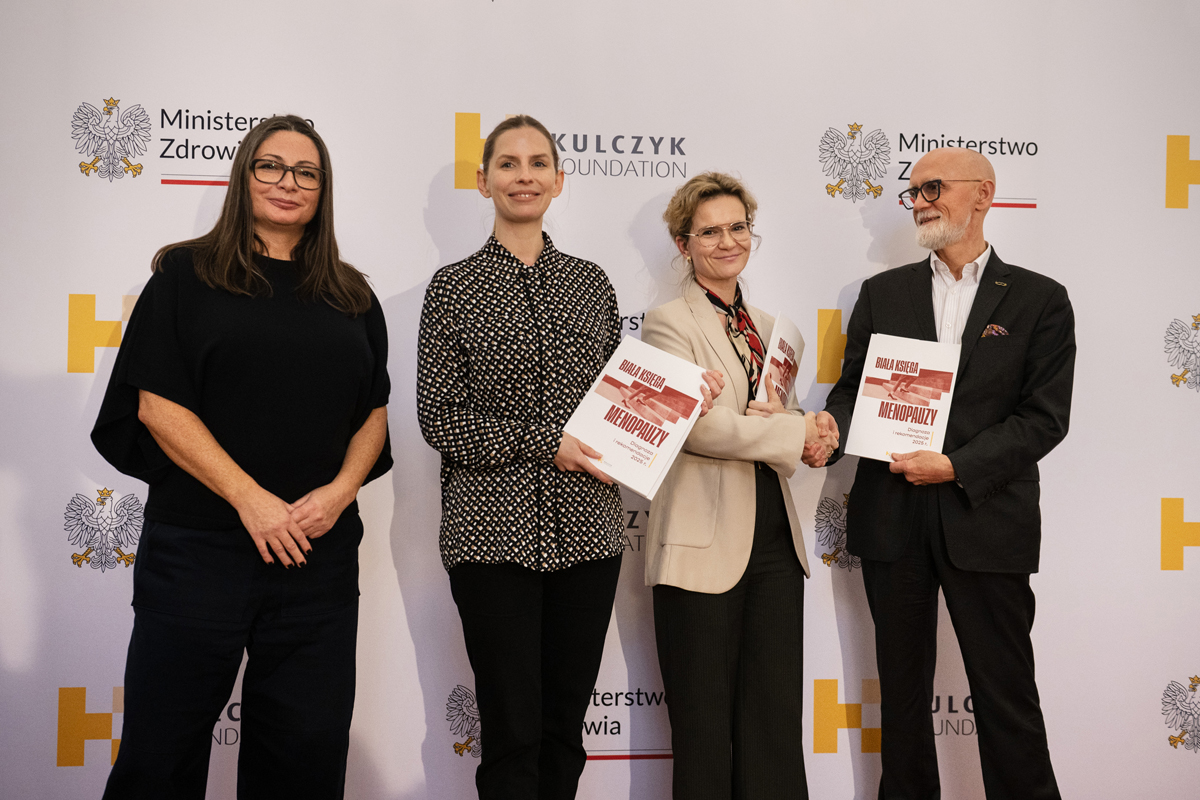
Interview with Joanna Maliszewska-Mazek and Anna Samsel from Kulczyk Foundation: Menopause, Social Change, and Systemic Solutions in Poland
CLICK for the full interview
Aija Lulle sat down with the Kulczyk Foundation in Poland to explore how menopause awareness is emerging from discussions of period poverty, and she discovered relevance of midwives – practical, experience based approaches to menopause care today.
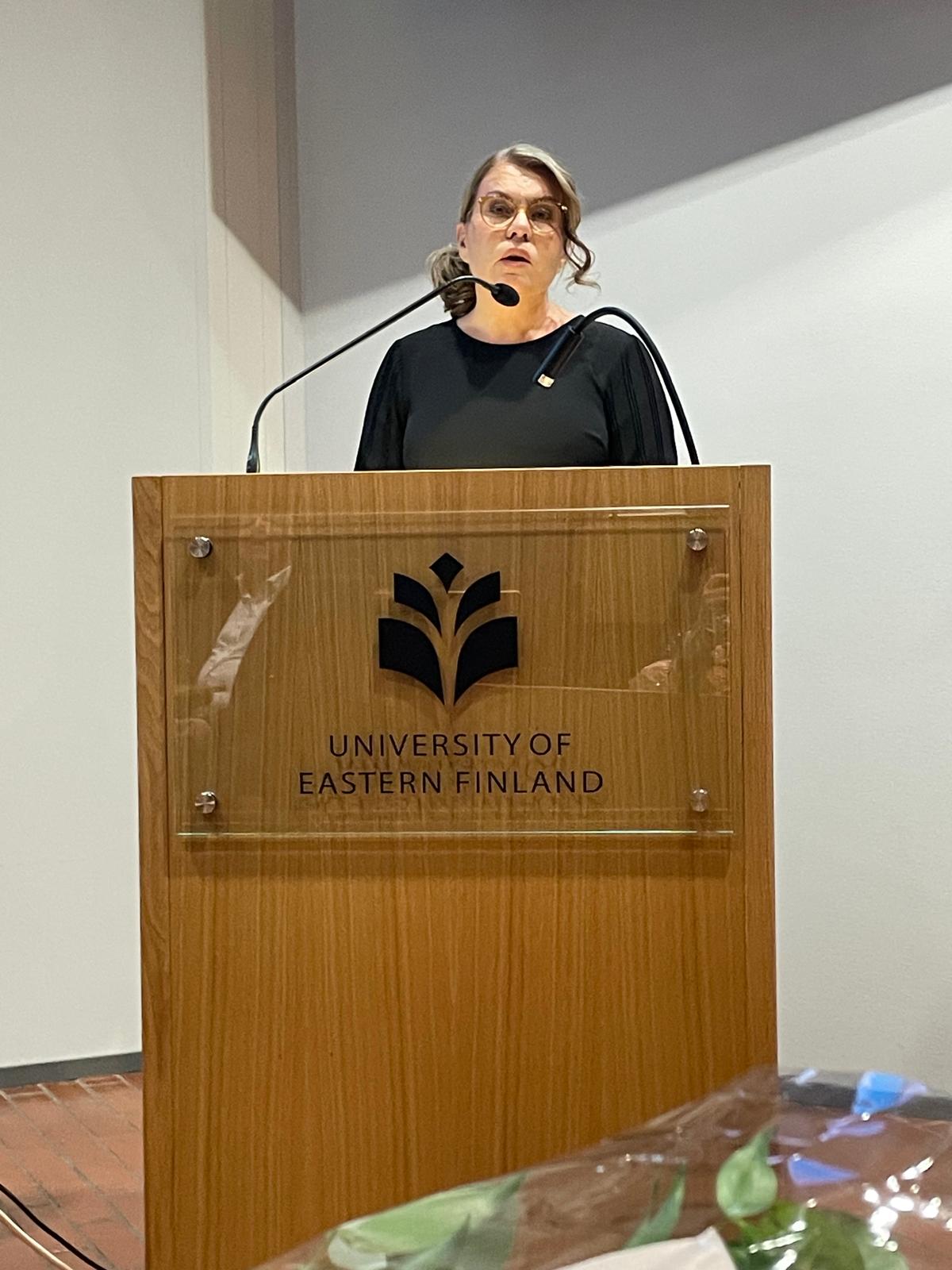
Katja Laakkonen: Middle-age as an asset
CLICK for the full text
“At first, many of the terms used around me were unfamiliar, so I often looked them up later or sought explanations through other means. Gradually, however, the language began to make sense, and I came to recognise that my working-class background and professional experience was not a disadvantage in academia. On the contrary, it was increasingly regarded as an asset.”
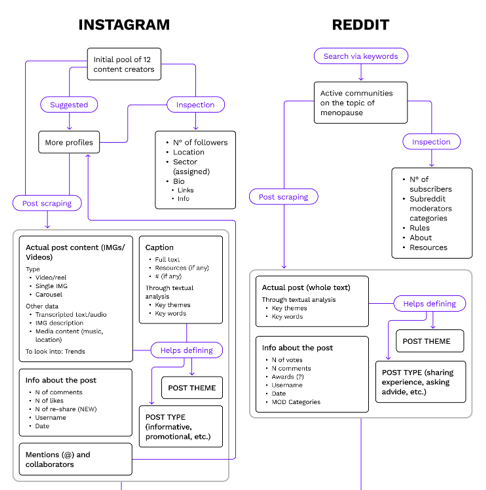
Agnese Bartolucci: ‘I care deeply about understanding social phenomena’. Information design and the role of a data scientist
CLICK for the full interview
“I enjoy, and take pride in, helping others understand complex concepts by making them clearer through visualization. For a long time, I also described what I do as “making data beautiful,” and I still hope my work feels that way.”