
Collaborations
Socially Salient Species Research Community
S3RC is a loose community of research groups working on charismatic and publicly engaging animal species. The community draws its inspiration from an idea that originated in Joensuu –initially partly tongue-in-cheek and known as the “cute animal research project” – but it is grounded in a serious and timely scientific and societal agenda.
Although charismatic or iconic animal species may at first glance seem like a lightweight research theme, they provide an exceptionally effective gateway for stimulating interest in the natural sciences, genomics, and biodiversity research. Such species act as entry points to complex questions of heredity, adaptation, evolution, and environmental change – topics that might otherwise remain distant or abstract to the general public.
From a research perspective, socially salient species are often also ecologically and conservation-biologically pivotal. For example, the Siberian flying squirrel is a classic indicator and umbrella species in Finnish conservation biology: its habitat requirements are closely linked to the preservation of old-growth forests and forest structure, thereby benefiting a wide range of other, less well-known species. The Saimaa ringed seal, in turn, is not only an endangered endemic species but also a symbol of the ecological state of the entire Lake Saimaa system. Research on the seal integrates genomics, ecology, environmental contaminants, and human impacts, and has direct implications for conservation decisions and environmental governance.
Similarly, the mountain hare serves as an indicator of northern ecosystems and as a sentinel species of climate change impacts: its seasonal colour change and physiological adaptations make the consequences of reduced snow cover and milder winters tangible for northern fauna. In a global context, penguins have become powerful symbols of climate change, shrinking ice cover, and transformations in marine ecosystems. Through such species, the biological consequences of climate change can be communicated in a way that is accessible and easily understood.
A central idea within the S3RC community is that research on visible and charismatic species is not at odds with fundamental science – quite the contrary. These species function as umbrella species not only ecologically but also communicatively: through them, entire taxonomic groups, ecosystems, and genetic processes can be brought into focus that might otherwise remain overlooked. At the same time, they offer researchers an opportunity to combine high-level genomic and evolutionary research with impactful science communication, education, and societal engagement.
The overarching aim of the community is to strengthen the connection between research and the public, to increase understanding of biodiversity and the scientific foundations of its conservation – and to do so through animal species with which people already have an emotional connection.
Collaborating groups: Stefan Prost, Oulu; Eric Dufour, Tampere; Robin Cristofari, Helsinki;Tommi Nyman, NIBIO, Norway; Claudius Kratochwil, Helsinki
Genome projects
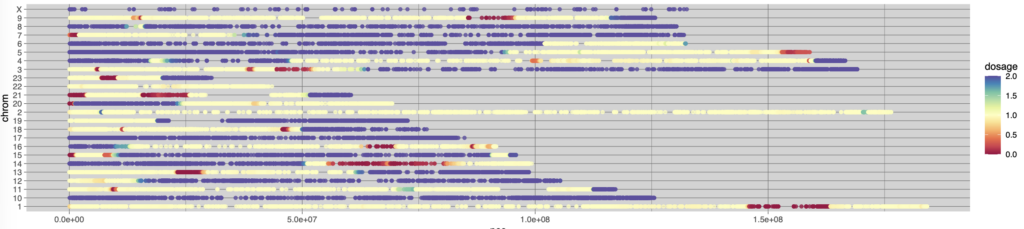
We collaborate extensively on the generation of reference genomes and are well networked, for example through the European Reference Genome Atlas. In hare genomics and population genetics, our key partner is the research group of José Melo-Ferreira at CIBIO in Portugal.
DNA-based tools for species delimitation and inventories
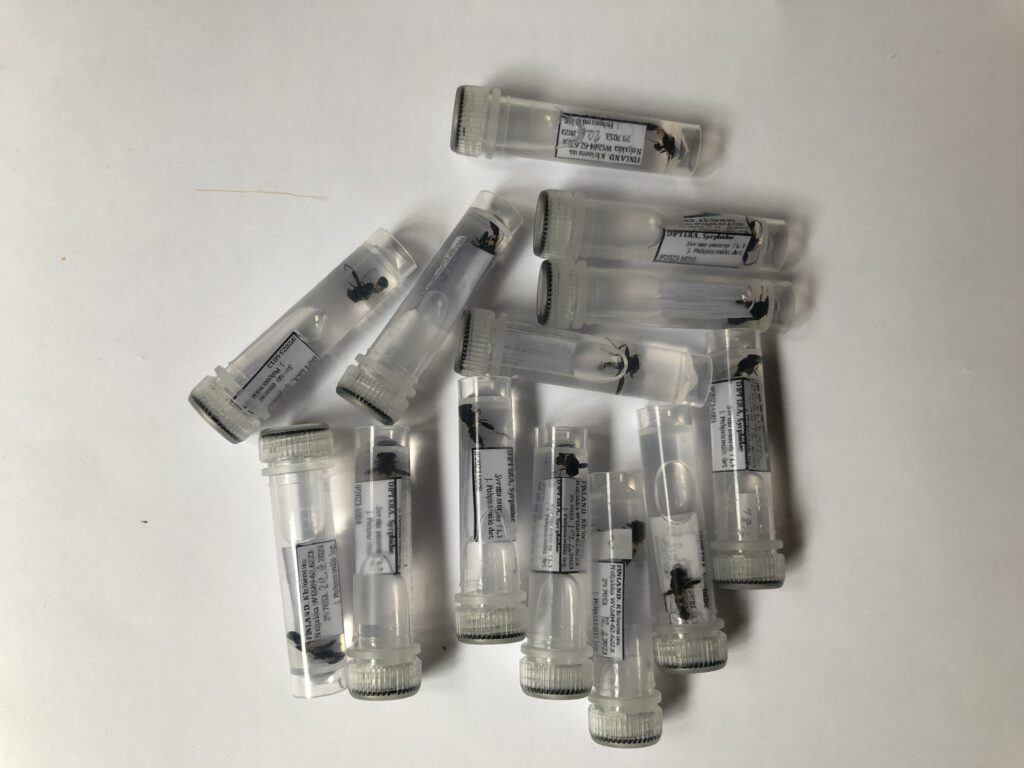
Our principal partner in DNA-based species delimitation research and DNA barcoding initiatives is the research group of Marko Mutanen at the University of Oulu. We have also participated the EU-wide Biodiversity Genomics Europe pollinator sampling project.